
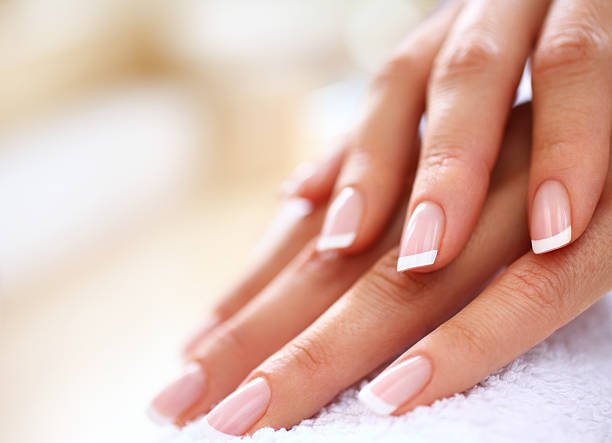
The Real Lifespan of a Russian Manicure in NYC — No Filters, No Hype
Nail trends come with a lot of promises. Scroll through social media, and you'll see manicures that look flawless for weeks on end, with zero chips, zero lifting, and zero regrowth. It looks almost too good to be true — and honestly, sometimes it is.
If you've been considering a Russian manicure in New York City, you've probably seen the same glowing claims. But how long does it actually last once you're back to your regular routine — typing, washing dishes, gripping a subway pole? This article breaks down the real, honest timeline of a Russian manicure Chinatown NYC, without the filters or the hype, so you know exactly what to expect before you book.
What Makes a Russian Manicure Different From the Start
Before getting into longevity, it helps to understand why this technique behaves differently than a standard manicure in the first place.
The Dry Manicure Technique Explained
Unlike a regular manicure, a Russian manicure does not include the water soak at all. Instead, a technician uses a precision e-file to delicately remove excess cuticle after cleaning the nail bed. This is sometimes referred to as a "dry manicure" because there is no soaking involved—just careful, controlled filing.
Why Cuticle Work and Nail Health Matter for Longevity
The durability of the outcome is directly impacted by the degree of detail in the cuticle work. The gel polish is applied closer to the nail bed itself because the method completely removes dead skin. In comparison to hurried or imprecise work, this style typically has strong gel chip resistance because of the tighter, cleaner application.
The Real Timeline — Week by Week
This is the part most people actually want to know: what happens, and when.
Week 1 — Peak Shine and Gel Chip Resistance
The first week is when a Russian manicure looks its best. The polish is fully cured, the shine is at its peak, and there's typically little to no visible wear. Because of the close-to-the-skin application, chipping at the edges is rare during this stage — one of the main reasons people are drawn to this technique in the first place.
Week 2 — Early Signs of Nail Growth and Regrowth
By the second week, natural nail growth starts to become slightly noticeable, especially for people with faster-growing nails. It's subtle at this point — usually just a thin line near the cuticle — but it's the first real sign that regrowth is underway.
Week 3 — Cuticle Regrowth and Visible Wear
Around the third week, cuticle regrowth becomes more visible, and the gap between the polish and the cuticle line is easier to spot. The manicure is still functional and generally still looks decent from a distance, but up close, the "fresh" look has faded.
Week 4+ — When to Consider a Refill
By week four, most people start noticing enough regrowth and wear that a refill or new set feels necessary. This isn't a hard rule — nail growth speed varies from person to person — but four weeks is a reasonable general window for most.
Signs Your Russian Manicure Needs a Refill
If you're not tracking dates, your nails will usually tell you when it's time. Here's what to watch for.
Visible Gap at the Cuticle Line
This is the most obvious sign. As the nail grows, a small strip of bare nail becomes visible near the base.
Gel Lifting or Peeling at the Edges
Even with strong gel chip resistance, no manicure is chip-proof forever. If you notice lifting at the tips or edges, that's a sign the seal is starting to weaken.
Reduced Shine and Surface Dullness
Over time, the glossy top coat naturally loses some of its shine from daily wear — dishwashing, hand sanitizer, and general friction all play a role.
Russian Manicure vs Gel Manicure: Which Lasts Longer?
This is one of the most common questions people ask when comparing options.
Dry Manicure Longevity vs Traditional Gel Application
In general, dry manicure longevity tends to edge out a standard gel manicure, mainly because of how closely the polish is applied to the nail bed. A traditional gel manicure often has a slightly wider margin around the cuticle, which can make regrowth and lifting more noticeable sooner.
Why Nail Bed Health Plays a Role in Wear Time
Nail bed health isn't just about appearance — it also affects how well polish adheres and how long it holds up. Nails that are dry, brittle, or damaged from over-filing may not hold a manicure as long, regardless of technique.
Nail Technician Precision and Its Impact on Durability
Technique matters just as much as the method itself. A skilled, precise application — clean cuticle work, even polish distribution, proper curing — will always outlast a rushed job, whether it's a Russian manicure or a regular gel set.
How to Make a Russian Manicure Last Longer
Your manicure's freshness can be significantly increased with a few minor behaviors.
At-Home Care Between Appointments
Keeping your hands moisturized, especially around the cuticles, helps prevent premature dryness and lifting. Cuticle oil applied every couple of days can make a noticeable difference.
What to Avoid to Prevent Early Chipping
The finish can be preserved for a longer period of time by wearing gloves when cleaning or dishwashing, avoiding using your nails as tools (opening cans, scratching labels), and avoiding strong acetone-based treatments.
How Often to Book a Refill for Best Results
Most people find that booking a refill every three to four weeks keeps their nails looking consistently polished without letting regrowth get too obvious.
Is the Longevity Worth It?
At this point, the natural question is whether the extra durability is actually worth it.
Weighing Cost Against Wear Time
A Russian manicure often costs more than a standard manicure, but when you factor in the extended wear time and reduced chipping, the cost-per-week can end up fairly comparable — sometimes even better — for people who value low-maintenance upkeep.
Who Benefits Most From a Russian Manicure's Durability
This style tends to appeal most to people with busy schedules who don't have time for frequent touch-ups, as well as those who've struggled with early lifting or chipping from other manicure types in the past.
Final Thoughts
To truly enjoy what a Russian manicure offers, you don't need to believe inflated claims. The honest version is still rather impressive: rapid effects in the first week, slow, organic regrowth over the next few weeks, and a reasonable refill window of three to four weeks for the majority of people.
If you're exploring your options for a Russian manicure in Chinatown NYC, knowing this timeline ahead of time makes it much easier to plan your next appointment — and set expectations that match reality, not just what you see online.


0 Comments